
The silent hunters of the night have captivated photographers and nature enthusiasts for generations. From the diminutive Elf Owl to the imposing Great Gray Owl, North America hosts an extraordinary diversity of owl species that offer unique opportunities for wildlife photography. The United States is home to 19 regularly occurring owl species ranging from year-round residents to seasonal migrants and occasional visitors. These raptors occupy nearly every habitat type across the continent, from Arctic tundra to desert scrublands, offering photographers diverse landscapes and behavioral opportunities throughout the year.
If you have gone on a workshop or guided tour with me, you probably know that I love to photograph birds, especially owls and raptors. I’ve spent countless hours in the field observing and photographing them. In this blog, I am sharing images of 10 owl species that I have had the amazing opportunity to photograph along with interesting facts about each of them.
The Magnificent Large Owls
Great Horned Owl (Bubo virginianus)
Size: 18-25 inches in length; wingspan 40-57 inches; weight 2-5.5 pounds.
Habitat: One of the most adaptable owls, inhabiting forests, swamps, deserts, agricultural areas, suburban parks, and virtually every terrestrial habitat across North America.
Behavior: Primarily nocturnal with some crepuscular (before sunrise or after sunset) activity. This apex predator is known for its powerful hunting abilities and distinctive hooting call. Great Horned Owls are highly territorial and will defend their territories year-round.
Diet: Opportunistic hunters taking mammals from mice to skunks and rabbits, birds (including other raptors), reptiles, amphibians, and large insects. Their powerful talons enable them to take prey as large as themselves.
Interesting Facts: The most widespread owl in North America and found year-round throughout the United States. Males are smaller than females but have deeper voices. They’re one of the earliest nesters, often beginning in January or February. The oldest known Great Horned Owl was at least 28 years old.
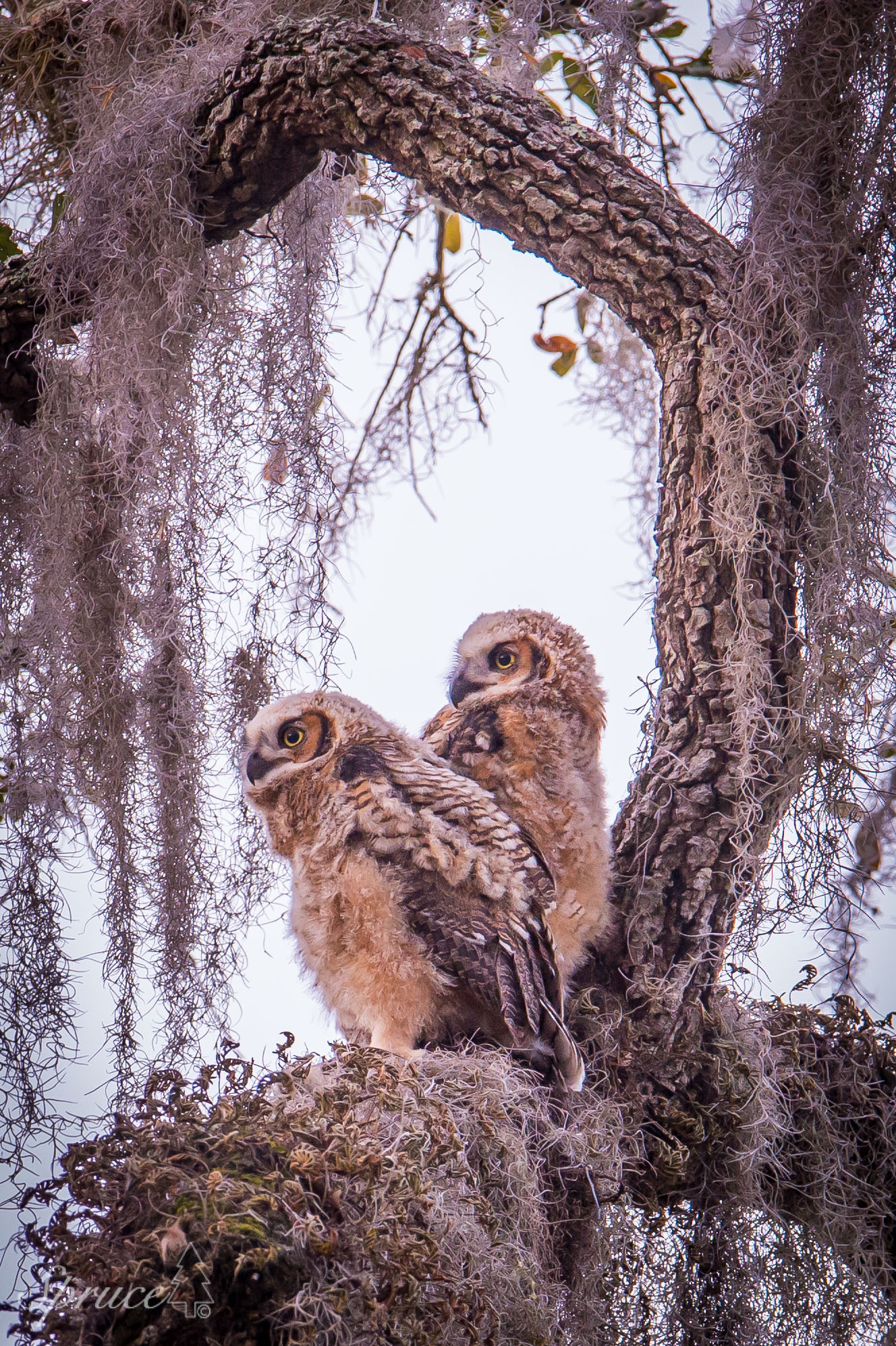
Photography Tips: Look for them perched on exposed branches at dusk. They’re often silhouetted against the evening sky, creating dramatic photographs.
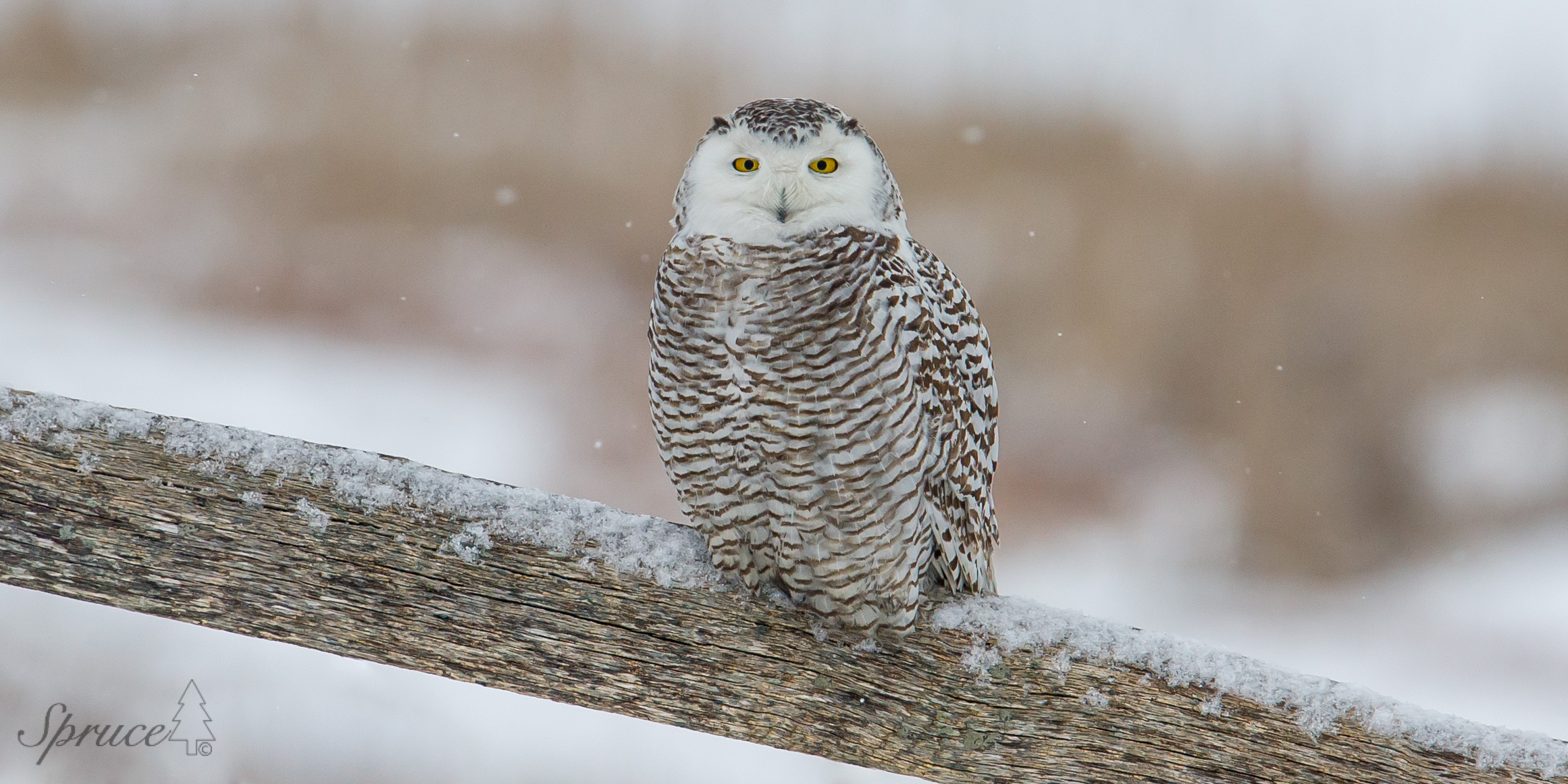
Snowy Owl (Bubo scandiacus)
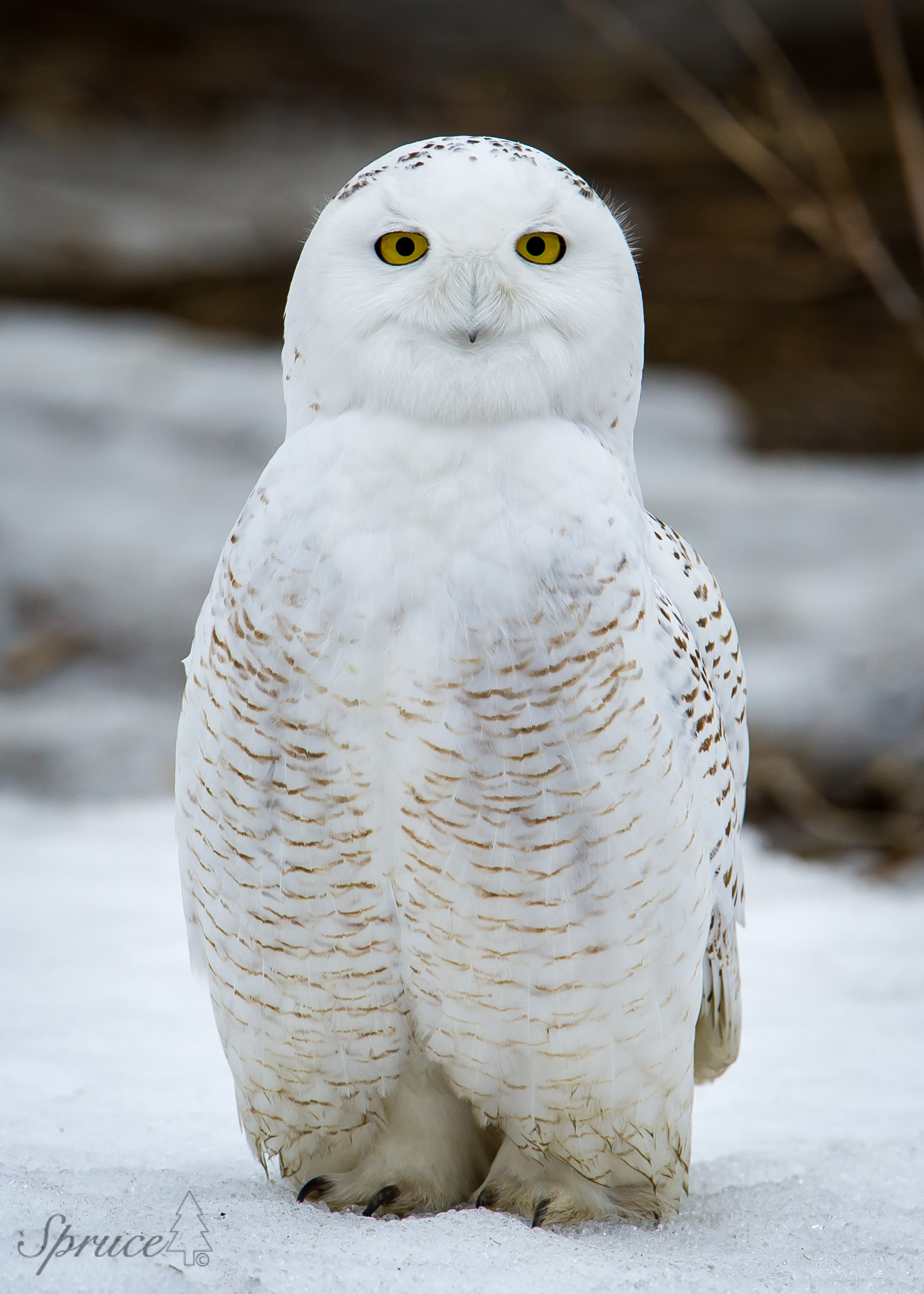
Size: 20-28 inches in length; wingspan 49-59 inches; weight 3.5-6.5 pounds (North America’s heaviest owl).
Habitat: Breeds in Arctic tundra; winters in open areas including coastal dunes, beaches, agricultural fields, and marshes across the northern United States.
Behavior: Unlike most owls, Snowy Owls are diurnal, hunting actively during continuous Arctic daylight in summer. They’re known for “irruptions” – periodic movements south during winters when Arctic prey populations are low or crash.
Diet: Primarily lemmings and voles in the Arctic; during winter migrations, they hunt various small mammals, waterfowl, and other birds.
Interesting Facts: Males become whiter with age while females retain dark barring throughout their lives. The whitest birds are always males. Thick feather insulation makes them exceptionally heavy for their size. The oldest known Snowy Owl was at least 23 years, 10 months old.
Photography Tips: During irruption years, check coastal areas, frozen lakes, and open fields from late fall through early spring. They often perch conspicuously on hay bales, fence posts, or buildings.
Great Gray Owl (Strix nebulosa)

Size: 24-33 inches in length; wingspan 54-60 inches; weight 1.5-3.7 pounds.
Habitat: Dense boreal and coniferous forests in northern states and high mountain areas, often near bogs, muskegs, and meadows. Year-round resident in Alaska, northern Great Lakes region, and mountainous areas of the West.
Behavior: Primarily nocturnal but often hunts during the day, especially during breeding season. Can detect prey under snow using exceptional hearing.
Diet: Specializes in small mammals, particularly voles; also hunts mice, shrews, squirrels, weasels, and occasionally small birds.
Interesting Facts: One of the tallest owls in the U.S., though much of its size is fluffy plumage – body mass is less than Great Horned or Snowy Owls. Nomadic movements occur in response to prey availability.
Photography Tips: Look for them perched on snags near forest meadows during morning and evening hours. Their large size and distinctive facial disc make them stunning subjects.
Medium-Sized Forest & Field Dwellers
Long-eared Owl (Asio otus)
Size: 13-16 inches in length; wingspan 35-40 inches; weight 8-15 ounces.
Habitat: Dense coniferous or deciduous forests and woodlands, often near open grasslands for hunting. Winters across most of the United States; breeds in northern states and mountainous regions.
Behavior: Nocturnal. Roosts in dense vegetation during day, often in small groups outside of breeding season. When threatened, elongates body to resemble a tree branch.
Diet: Almost exclusively small mammals, particularly voles and mice; occasionally small birds.
Interesting Facts: Named for prominent ear tufts that are frequently held erect. During winter, often roost in large numbers making them easier to find.
Photography Tips: Check dense thickets of conifers or tangles of vegetation in winter. Look for them at dawn and dusk hunting over adjacent fields.

Short-eared Owl (Asio flammeus)
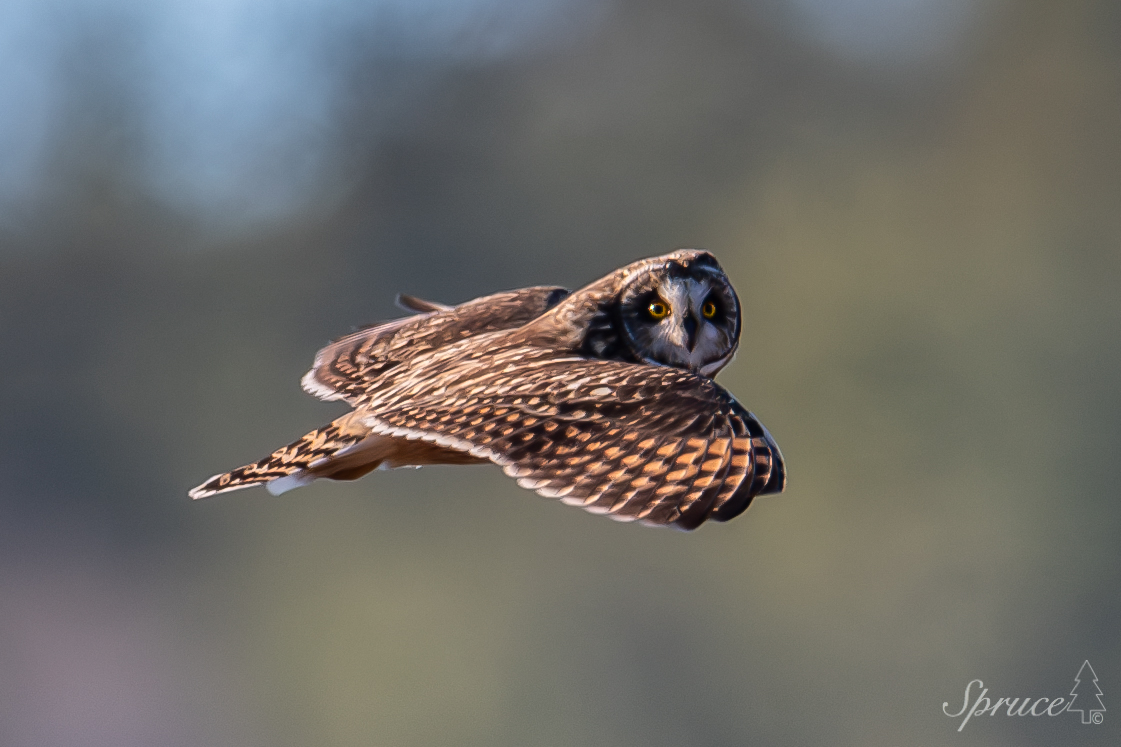
Size: 13-17 inches in length; wingspan 33-40 inches; weight 7-17 ounces.
Habitat: Open grasslands, prairies, marshes, tundra, agricultural fields, and coastal areas. Winters throughout most of the United States; breeds in northern states and Canada.
Behavior: One of the most diurnal owls, often seen hunting in broad daylight. Flies low over open ground with buoyant, moth-like wingbeats. Performs dramatic aerial courtship displays during breeding season.
Diet: Small mammals, especially voles and mice; also shrews, rabbits, and occasionally birds.
Interesting Facts: One of the world’s most widespread owls, found on all continents except Antarctica and Australia. Populations fluctuate with cycling mammalian prey populations. Hawaii’s only native owl, the pueo, is a subspecies.
Photography Tips: Visit grasslands, marshes, and coastal areas near dusk for stunning flight photography opportunities. Their low, hunting flights over fields make dramatic silhouettes against sunset skies.
Barn Owl (Tyto alba)
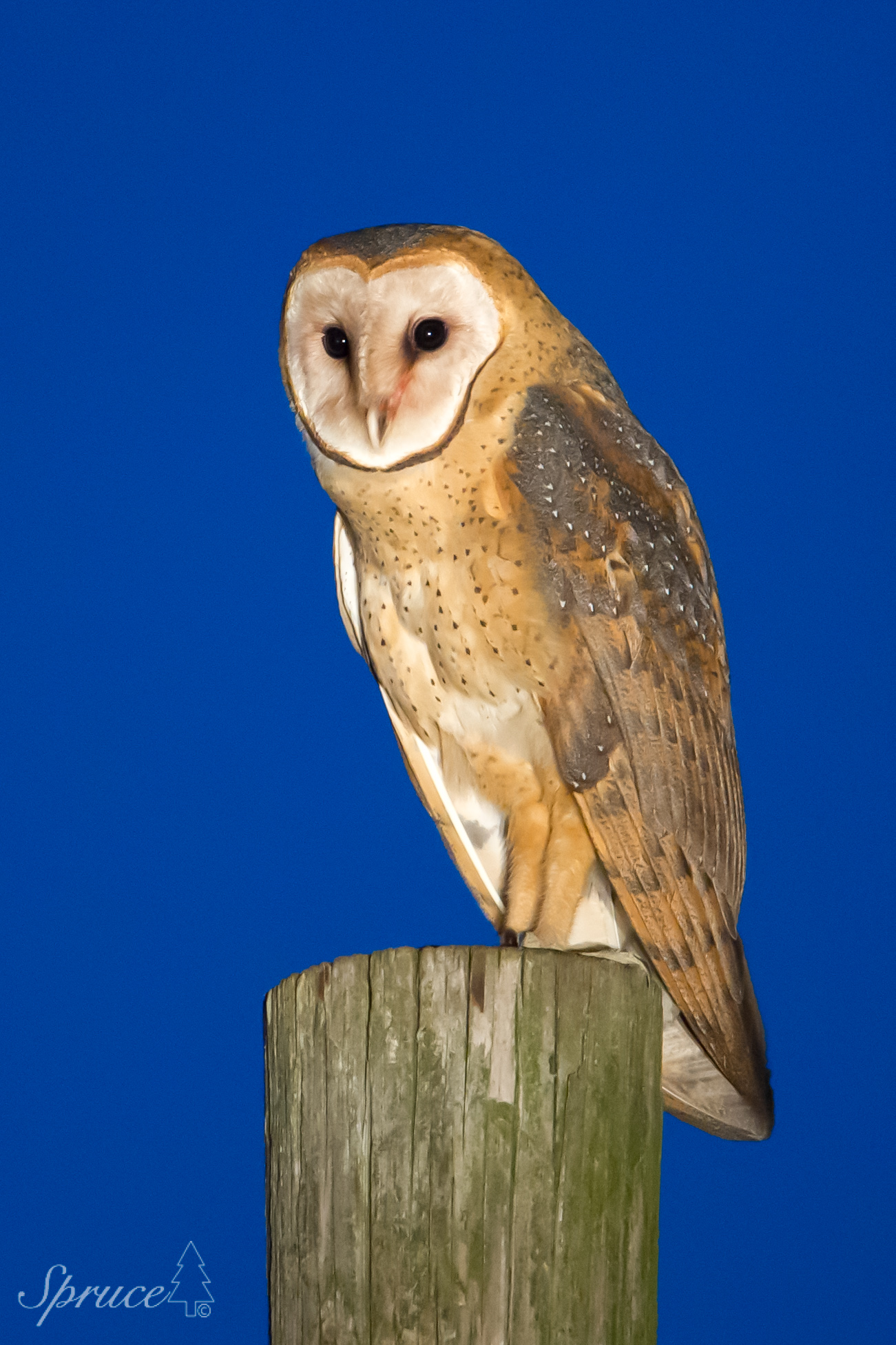
Size: 12-16 inches in length; wingspan 39-49 inches; weight 14-24 ounces.
Habitat: Open habitats including grasslands, agricultural areas, marshes, deserts; often near human structures. Year-round resident in most of U.S. except northern areas.
Behavior: Strictly nocturnal with silent, buoyant flight. Often hunts by flying low over fields searching for rodents by sound. Roosts and nests in barns, silos, church steeples, tree cavities, and cliffs.
Diet: Primarily small rodents, especially mice and voles; occasionally shrews, small birds, bats, and large insects.
Interesting Facts: Heart-shaped facial disc and pale coloration create ghostly appearance. Exceptional hearing allows hunting in complete darkness.
Photography Tips: Look for them hunting over fields at dusk with characteristic moth-like flight. Often roost in old barns and abandoned buildings during day.
Diminutive Desert Specialist
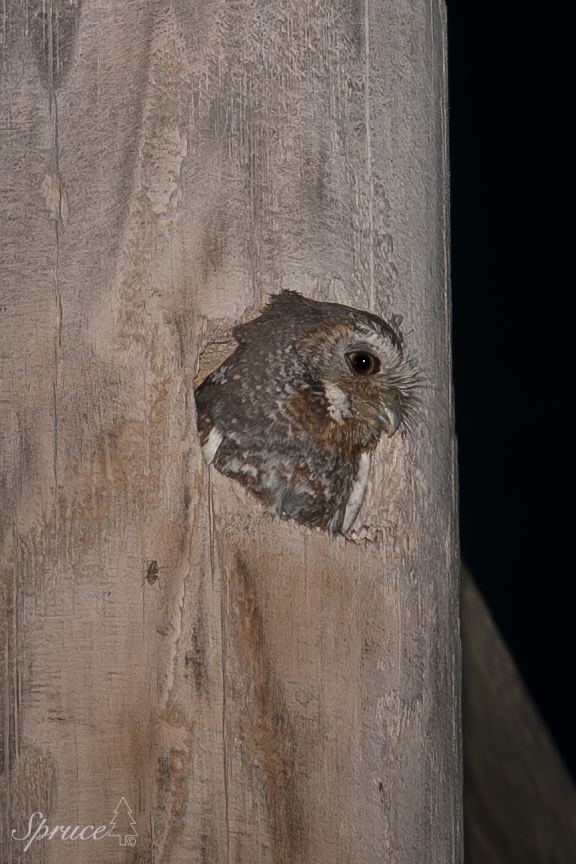
Elf Owl (Micrathene whitneyi)
Size: 5-6 inches in length; wingspan 13 inches; weight 1.2-1.9 ounces.
Habitat: Desert scrub, riparian woodlands, and sycamore canyons in southwestern United States. Migratory, present April-September; winters in Mexico.
Diet: Primarily insects including moths, beetles, crickets, and scorpions; occasionally small lizards and rarely small mammals.
Interesting Facts: The world’s smallest raptor, weighing about as much as a golf ball. Nests in saguaro cacti and tree cavities excavated by woodpeckers. Tree ants often inhabit their nests, eating meal remains without harming the owls.
Photography Tips: Listen for puppy-like yapping calls on desert roads during summer months. They often hunt around lights that attract insects at night.
Ground-Dwelling Specialist
Burrowing Owl (Athene cunicularia)
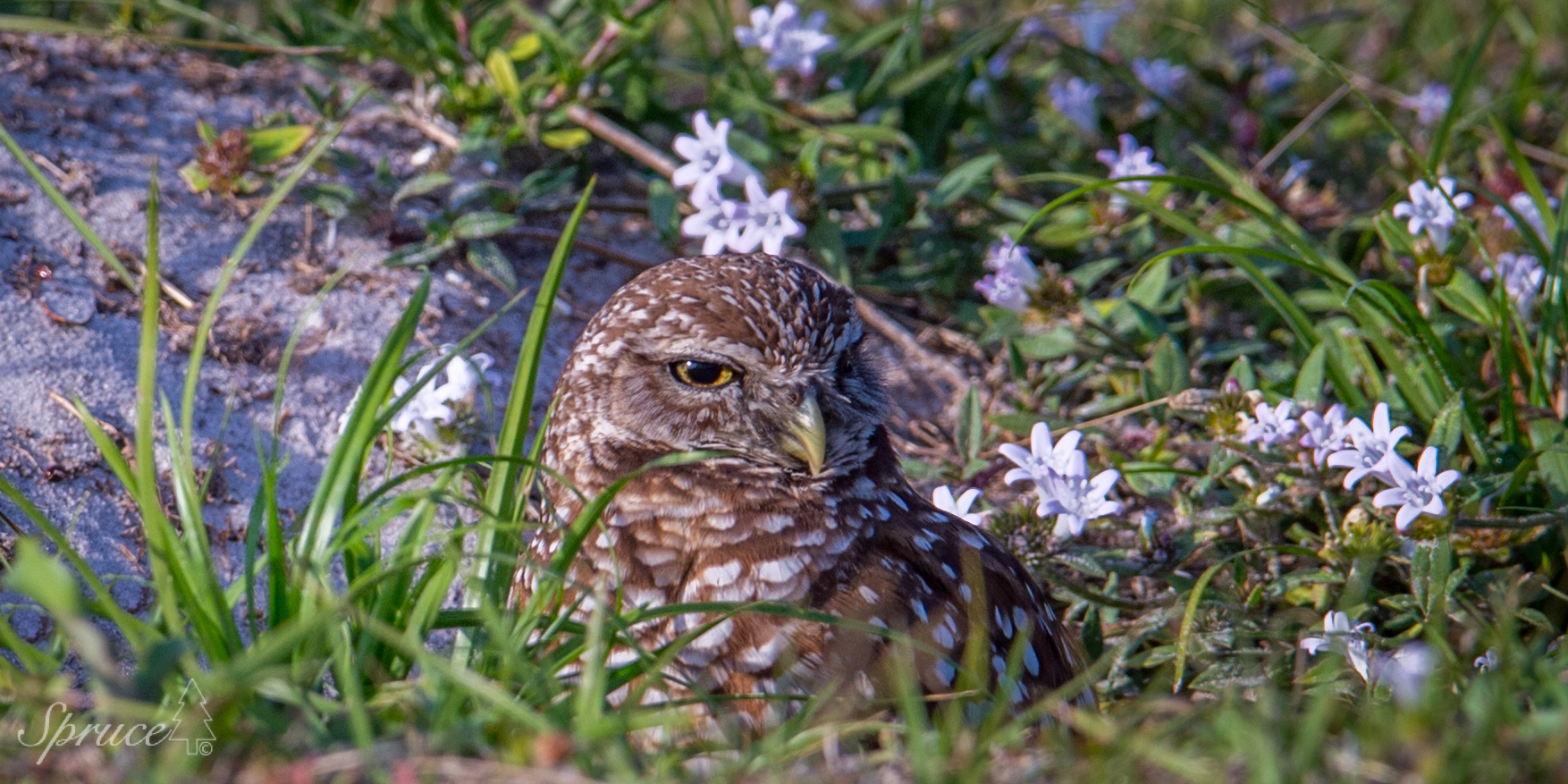
Size: 7-10 inches in length; wingspan 22 inches; weight 5 ounces.
Habitat: Open grasslands, prairies, deserts, agricultural areas, and golf courses. Year-round resident in Florida and Southwest; migratory in northern portions of range.
Behavior: Unique among North American owls: lives in underground burrows (often abandoned prairie dog burrows), active during both day and night, and often seen standing at burrow entrance on long legs. Known for “bobbing” behavior when agitated.
Diet: Large insects (grasshoppers, beetles, crickets, scorpions), small mammals (mice, voles), occasionally small birds, reptiles, and amphibians. Often store extra food to ensure a supply when incubating and brooding.
Interesting Facts: Florida birds typically dig their own burrows while western birds use existing holes. Often lines burrow entrance with mammal dung, possibly to attract beetles or mask scent.
Photography Tips: One of the easiest owls to photograph due to hunting all hours of the day and night. Look for them standing near burrows during morning and evening hours, providing unique low-angle photography opportunities.
Join Spruce Photo Tours for Unforgettable Owl and Raptor Photography
Ready to experience photographing owls with a small group of enthusiasts and an experienced guide? Then join us in January to explore New England and experience photographing a variety of owl and bird species including Snowy Owls. The Snowy Owl and Bird Workshop is perfect for all levels of photographers and birders. The small group size ensures one-on-one instruction as needed. Join us for an amazing owl and raptor photography experience!
References:
https://www.allaboutbirds.org/guide/Great_Horned_Owl
Artuso, C., et al. (2013). Great Horned Owl (Bubo virginianus). In The Birds of North America
https://news.cornell.edu/stories/2006/06/lab-ornithology-produces-whos-hooo-owl-sounds
https://www.allaboutbirds.org/guide/Snowy_Owl
https://www.massaudubon.org/news/latest/5-fast-facts-about-snowy-owls
https://www.fws.gov/story/8-fascinating-facts-about-snowy-owls
https://www.allaboutbirds.org/guide/Great_Gray_Owl
https://www.allaboutbirds.org/guide/Barred_Owl
https://www.allaboutbirds.org/guide/Long-eared_Owl
https://www.allaboutbirds.org/guide/Short-eared_Owl
https://www.allaboutbirds.org/guide/Eastern_Screech-Owl
https://www.allaboutbirds.org/guide/Barn_Owl
https://www.allaboutbirds.org/guide/Elf_Owl
https://www.allaboutbirds.org/guide/Burrowing_Owl